| Laminate | Hybrid | |
|---|---|---|
| Core | Water-resistant HDF (compressed wood fibre) | SPC or EPC polymer core |
| Wear layer | Melamine resin, rated by AC class | Clear PVC (vinyl) wear layer, measured in mm |
| Scratch resistance | Typically harder and more scratch-resistant at the surface | Good, but softer than a melamine surface |
| Water | Water-resistant for a tested number of hours; not waterproof | More tolerant of spills; water-resistant, not waterproof |
| Movement | Moves mainly with changes in humidity | Moves mainly with changes in temperature |
| Installation | Floating, click-lock, over a suitable underlay | Floating, click-lock; moisture barrier required under all installations |
| Bathrooms | Not suitable | Not suitable for wet areas with standing water |
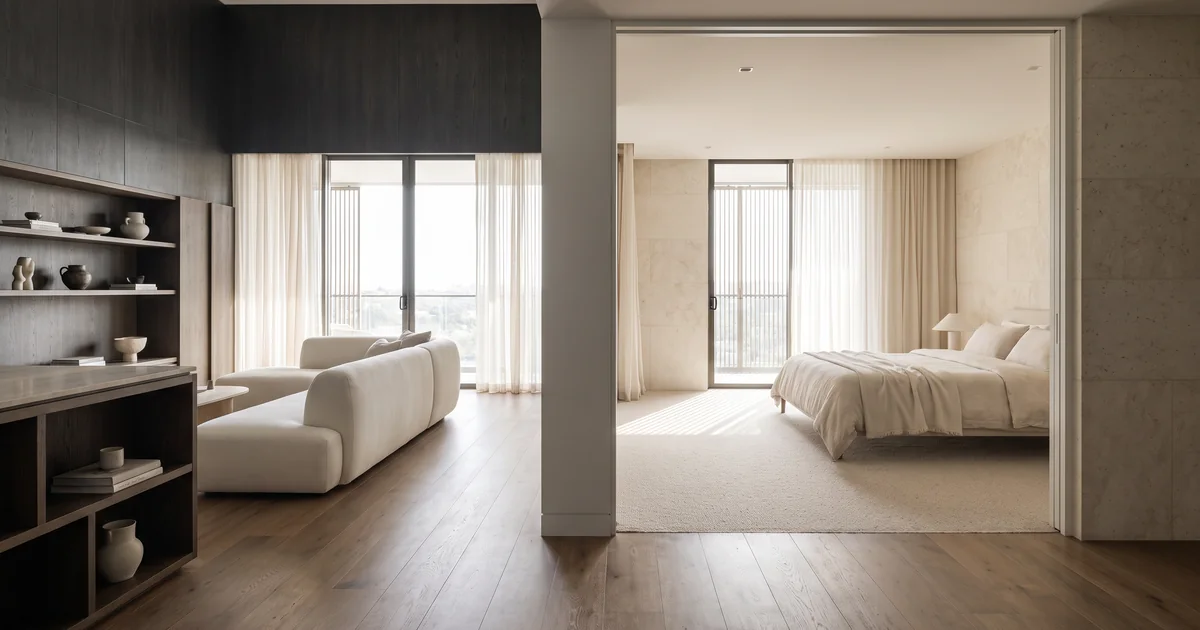
Laminate is one of the most practical ways to bring a timber look into a Melbourne home. It is hard-wearing, quick to install, easy to live with and available in a wide range of oak tones and formats. It is also one of the most misunderstood floors on the market, particularly when it comes to water, cost and where it should and should not go.
This guide explains what laminate actually is, where it works well, how it compares with hybrid, what shapes the cost of a laminate project and how to choose a board you will be happy with for years to come.
By The Flooring Centre Technical Team
Quick answer
Laminate flooring is a click-together floating floor with a high-density fibreboard (HDF) core, a printed timber décor layer and a tough melamine wear layer rated by AC class. Water-resistant laminate handles everyday spills for a limited, tested time, but it is not waterproof, so it suits living areas, bedrooms, hallways and kitchens rather than bathrooms or laundries. Cost depends on the board, the underlay, the subfloor and the shape of your rooms, so the most reliable way to price it is a free measure and quote.
What laminate flooring actually is
Laminate, often called timber laminate flooring, is a layered, engineered product. Each board is built from the bottom up:
- Core: a high-density fibreboard (HDF) made from compressed wood fibre. Every board in our current laminate range uses a water-resistant HDF (WR HDF) core.
- Décor layer: a high-resolution printed image of timber, which is what gives laminate its realistic oak look.
- Wear layer: a clear melamine resin overlay fused under heat and pressure. This is what protects the décor from scratches, scuffs and fading.
- Locking system: a click profile on the edges so boards lock together without nails or glue, creating a floating floor.
Surface durability is measured by the AC (Abrasion Class) rating under the European standard EN 13329. The higher the number, the more abrasion the surface can withstand. Our current range is rated AC4 or AC5, which comfortably covers every room of a busy family home. Surface texture matters too: some boards have an embossed-in-register (EIR) finish, where the texture follows the printed grain so the floor feels more like real timber underfoot.
Board thickness in our range runs from 8mm through 10mm and 12mm to 14mm. Thicker boards generally feel more solid and sound less hollow, but thickness is only one part of the picture alongside the AC rating, the core quality and the underlay.
Is laminate waterproof?
No. Laminate is not waterproof. Modern water-resistant laminate is far better with moisture than older laminate, but it is still a wood-fibre product, and enough water for long enough will cause it to swell.
The useful thing about water-resistant laminate is that its performance is measured in hours of exposure. Each board in our range carries a water resistance rating of 48, 72, 96 or 240 hours, based on the NALFA LF-01 swell test, where the assembled joint is exposed to standing water until it exceeds the allowable swell threshold. In practical terms, that gives you a window to find and wipe up a spill, a wet dog's paw prints or a splash at the kitchen sink before damage occurs.
What water-resistant laminate is not designed for is constant or repeated wetting. Bathrooms, ensuites, laundries, shower surrounds and anywhere water can pool or sit unnoticed are unsuitable. Leaking appliances that go undetected for days are also a real risk. If a room has a floor waste or regularly gets wet, it needs a different product, and we are happy to talk through the options.
Where laminate works, and where it does not
Laminate is at its best in dry and mostly dry living spaces where you want a timber look with excellent scratch resistance.
- Works well: living rooms, family rooms, bedrooms, studies, hallways and entries, upstairs rooms, rental properties and open-plan living areas.
- Works with care: kitchens, where a higher water-resistance rating and prompt wiping of spills make sense, and homes with pets, where a higher AC rating and textured surface help hide wear.
- Not suitable: bathrooms, ensuites, laundries, wet areas with floor wastes, outdoor or semi-enclosed areas and any space prone to standing water.
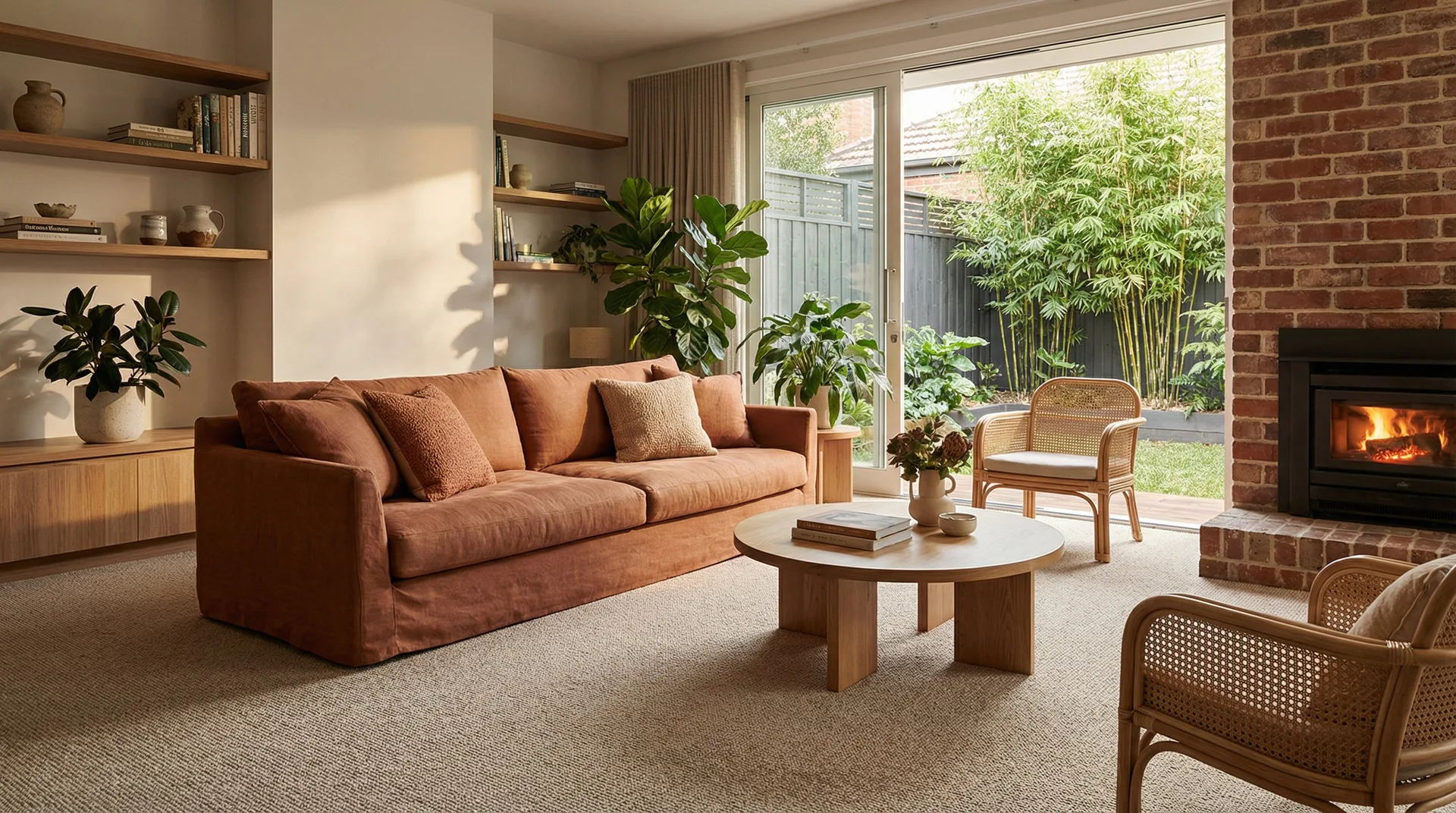
Many Melbourne homes combine floors. Laminate through the living areas and hallway, carpet in the bedrooms for warmth and softness, and a purpose-made wet-area floor in the bathroom and laundry is a common and very practical mix.
Laminate vs hybrid at a glance
Laminate and hybrid look similar on the showroom floor and both click together as floating floors, but they are built very differently. Hybrid uses a rigid polymer core, most commonly SPC (Solid Polymer Core), with a vinyl wear layer. Neither is waterproof: hybrid is water-resistant, not waterproof, and neither belongs in a bathroom with standing water.
For the full technical comparison, read our hybrid vs laminate guide.
What affects the cost of laminate flooring
Every home is different, so we do not publish a one-size-fits-all price. The cost of a laminate flooring installation comes down to a handful of factors:
- Board grade: thickness, AC rating, water-resistance rating, surface finish and format. A standard plank and a herringbone pattern are priced and laid very differently.
- Underlay: the type of underlay, any separate moisture barrier and any acoustic requirements, particularly in apartments.
- Subfloor preparation: floating floors need a flat, sound base. Levelling, grinding high spots or repairing timber subfloors can add time and materials.
- Removal of old flooring: lifting and disposing of existing carpet, tiles, timber or vinyl, including any glued-down products.
- Stairs, trims and transitions: stair nosings, scotia or skirting trims, door-bar transitions and thresholds between rooms.
- Room shape and layout: hallways, angled walls, cupboards, fireplaces and lots of doorways mean more cutting and more off-cuts than a simple rectangular room.
- Furniture and access: moving furniture and appliances, and access in multi-level homes or apartment buildings.
The most accurate way to understand your costs is a free measure and quote, so the board, underlay and preparation are all matched to your actual rooms.
Installation and underlay basics
Laminate is installed as a floating floor: the boards lock to each other rather than being fixed to the subfloor. That makes preparation and underlay important.
- Flat subfloor: we recommend a maximum deviation of ±3mm over a 3-metre span. The flatter the subfloor, the better the joints perform.
- Expansion gaps: laminate needs room to move at walls and other fixed vertical elements, which are then covered by skirting or trims.
- Underlay: hard-floor underlay for laminate is typically 2–3mm thick, usually a dense closed-cell foam. Thicker is not better, as too much flex stresses the click joints.
- Moisture barrier on slabs: on concrete slabs, a moisture barrier is best practice to manage vapour rising through the slab. New slabs or slabs with elevated moisture readings may need a separate polyethylene membrane.
- Pre-attached underlay: if a board comes with underlay already attached, no additional underlay should be added underneath.
Our installers are experienced flooring contractors who check the subfloor and moisture before boards go down. For more detail on hard-floor underlays and moisture barriers, see our underlay guide.
How to choose the right laminate
A simple checklist helps narrow a large range down to a confident shortlist:
- Room use: confirm every room is a dry or mostly dry space. If it has a floor waste or regularly gets wet, laminate is not the answer.
- Water-resistance rating: choose a higher rating for kitchens, entries and homes with young children or pets.
- AC rating: AC4 suits a typical home; AC5 adds extra abrasion resistance for very busy households.
- Thickness and feel: stand on 8mm, 12mm and 14mm boards in the showroom to feel the difference.
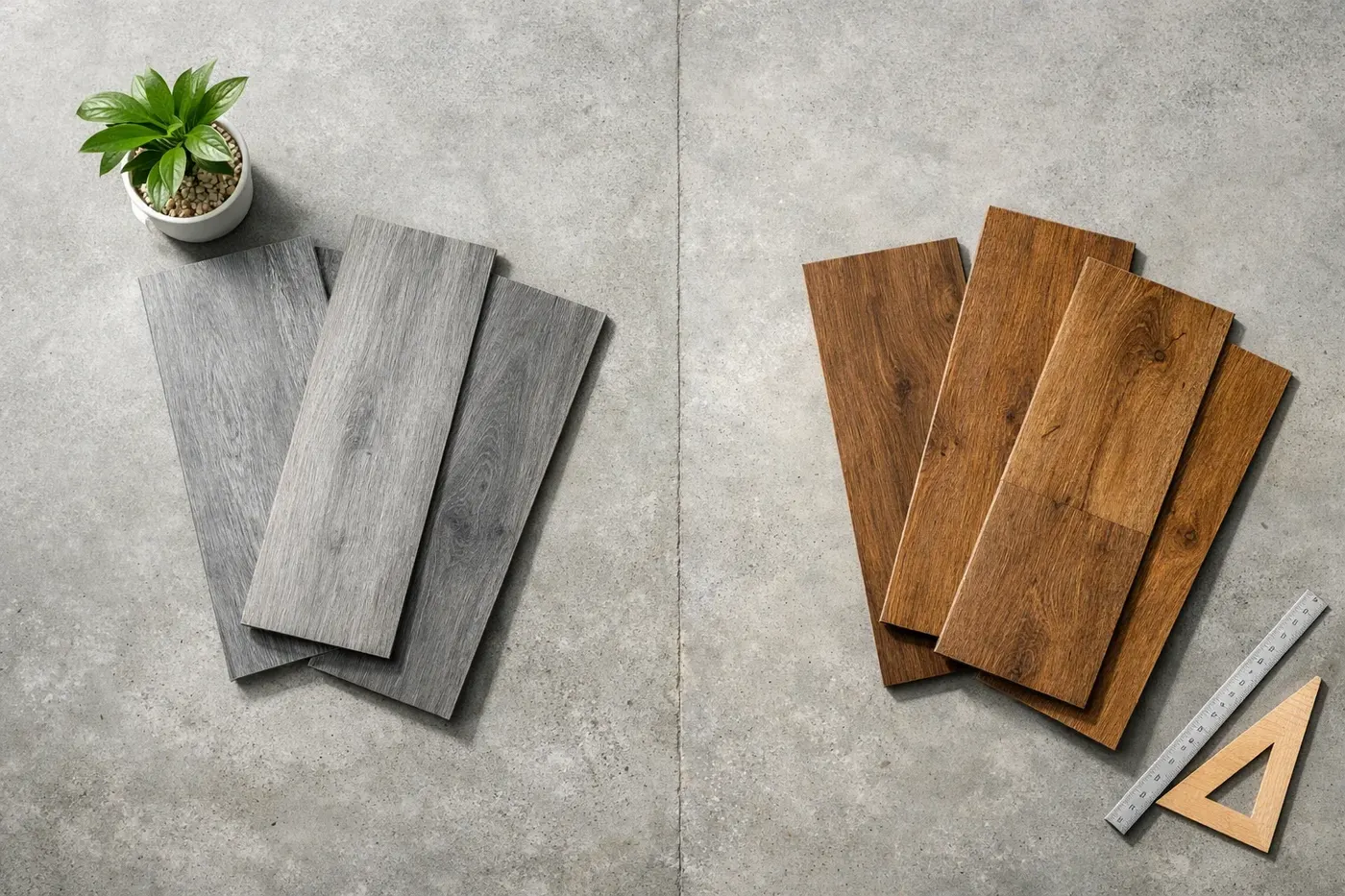
- Colour and light: compare light laminate planks, mid-tone planks and dark planks in natural light, next to your cabinetry and walls.
- Format: decide between classic planks and herringbone laminate, which brings a more tailored, European look.
- Surface texture: an embossed-in-register finish feels closer to real timber and helps disguise everyday marks.
- Underlay and subfloor: ask what underlay and preparation your home needs before comparing quotes.
See laminate in person
Laminate is much easier to choose in person. Visit our Nunawading or Hawthorn East showroom to compare boards side by side, feel the surface textures and see how light, mid and dark tones sit next to carpet and rugs. You can also take samples home, and when you are ready we can arrange a free measure and quote. Browse our laminate range or our water-resistant laminate in Melbourne page to start your shortlist.
Frequently Asked Questions
Is laminate flooring waterproof?
No. Laminate is not waterproof. Water-resistant laminate resists spills for a limited, tested time; our range is rated at 48, 72, 96 or 240 hours under the NALFA LF-01 swell test. Standing water and wet areas such as bathrooms and laundries are not suitable.
How much does laminate flooring installation cost in Melbourne?
It depends on the board you choose, the underlay, subfloor preparation, removal of old flooring, stairs and trims, and the shape of your rooms. Rather than quote a generic figure, we provide a free measure and quote based on your actual home.
Can laminate go in a kitchen?
Yes, water-resistant laminate is a common choice for kitchens, provided spills are wiped up promptly. Choosing a board with a higher water-resistance rating gives you more time to deal with accidents. Leaks from dishwashers or fridges that go unnoticed for days can still cause damage.
Is laminate or hybrid better?
Neither is better everywhere. Laminate is typically harder and more scratch-resistant at the surface and moves mainly with humidity. Hybrid is more tolerant of spills and moves mainly with temperature. Both are water-resistant, not waterproof, and neither suits bathrooms with standing water.
What underlay does laminate need?
Laminate is usually laid over a 2–3mm hard-floor underlay, typically a dense closed-cell foam. On concrete slabs a moisture barrier is best practice. If the boards already have underlay attached, no extra underlay should be added.
What does the AC rating on laminate mean?
The AC (Abrasion Class) rating measures how well the surface resists wear under the European standard EN 13329. Our current laminate range is rated AC4 or AC5, both suitable for every room of a typical home, with AC5 offering the higher abrasion resistance.
Published by The Flooring Centre — Melbourne's premium carpet and flooring superstores. Visit our Nunawading and Hawthorn showrooms.