| Fibre Type | Typical Achievable ACCS Range | Notes |
|---|---|---|
| NZ Wool (100%) | 3–5 star | Excellent appearance retention; natural resilience |
| 80/20 Wool/Nylon | 4–6 star | Premium blend achieves high residential ratings |
| Solution Dyed Nylon | 4–6 star | Top ratings; excellent pile retention |
| Triexta | 4–6 star | Strong mid-premium range performer |
| Polyester/PET | 1–5 star | Limited resilience under heavy traffic |
By The Flooring Centre Technical Team
The question that has driven more carpet showroom conversations than any other is deceptively simple: should I choose wool or synthetic? The answer, like most genuinely useful answers in design, is: it depends — but it depends on knowable things, and the right choice becomes clear once those things are understood.
Carpet fibre selection is one of the most consequential decisions in a flooring specification. The fibre determines not just how the carpet feels underfoot, but how long it will retain its appearance, how it responds to spills and soiling, what it contributes to the acoustic and thermal environment of the room, and what it costs across its full useful life rather than just at purchase. Getting this decision right is the difference between a carpet that performs beautifully for 15 years and one that looks tired in five.
This guide addresses the full comparison — technically rigorous, practically grounded, and tailored to the realities of the Australian market.
Quick answer
Wool carpet (typically Hycraft or Feltex Australian-made wool) is naturally stain-repellent, fire-retardant, hypoallergenic, biodegradable, and ages gracefully over 25 to 40 years. It is the premium fibre. Synthetic carpet covers three main fibres: nylon (most durable synthetic, best for heavy traffic), Triexta (soft, permanently stain-resistant from Godfrey Hirst, ideal for families and pets), and polyester (softest and cheapest, but compresses faster).
The decision usually comes down to budget and use case. For a 20-year primary residence with no extreme spills, wool justifies the premium on lifetime cost. For families with kids and pets, Triexta is the practical sweet spot. For high-traffic rentals or budget-conscious projects, solution-dyed nylon is the workhorse. The full breakdown follows below.
The Fibre Families: Who’s Who
Before comparing performance, it is worth understanding exactly what is being compared.
Natural Fibres
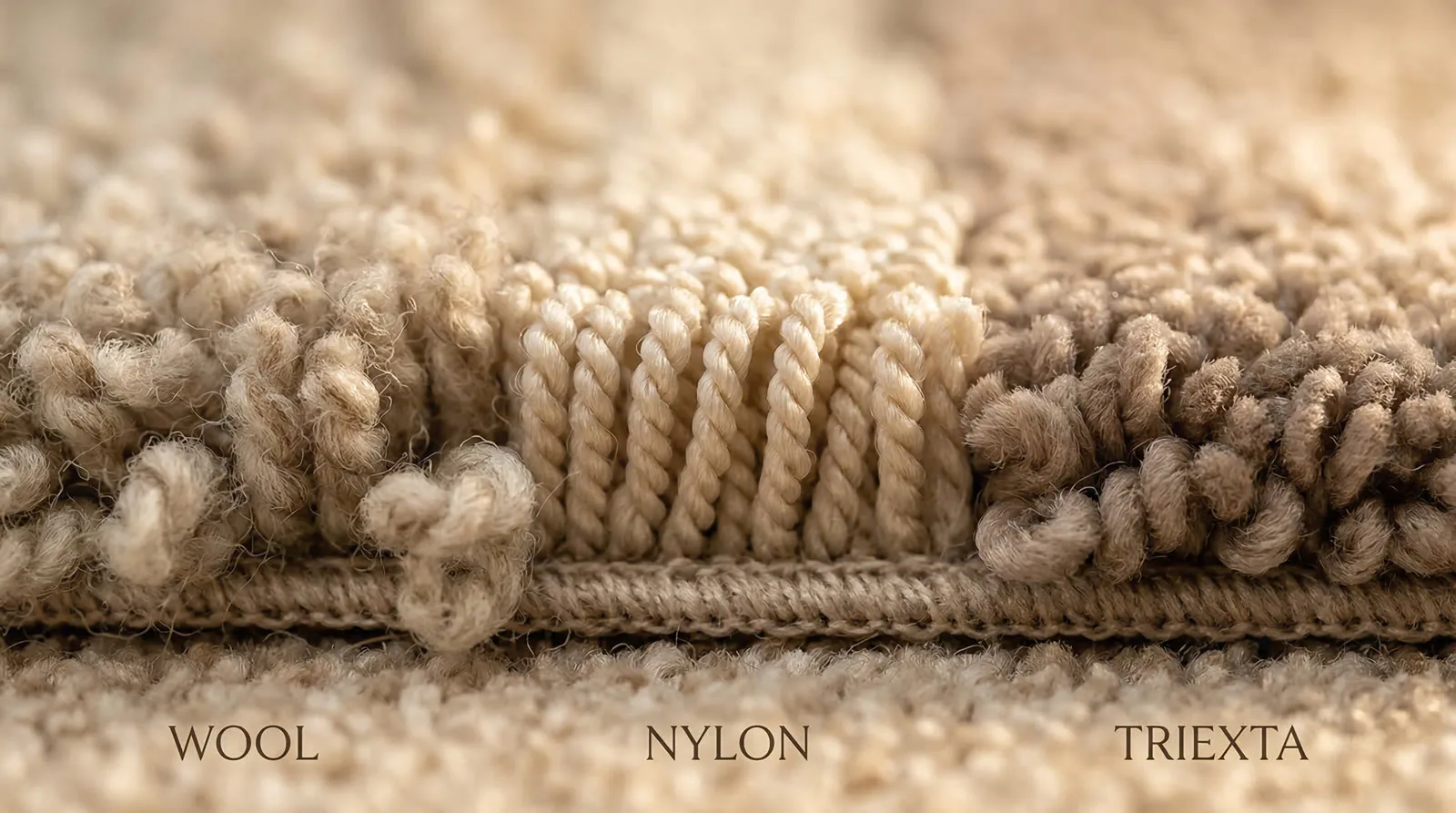
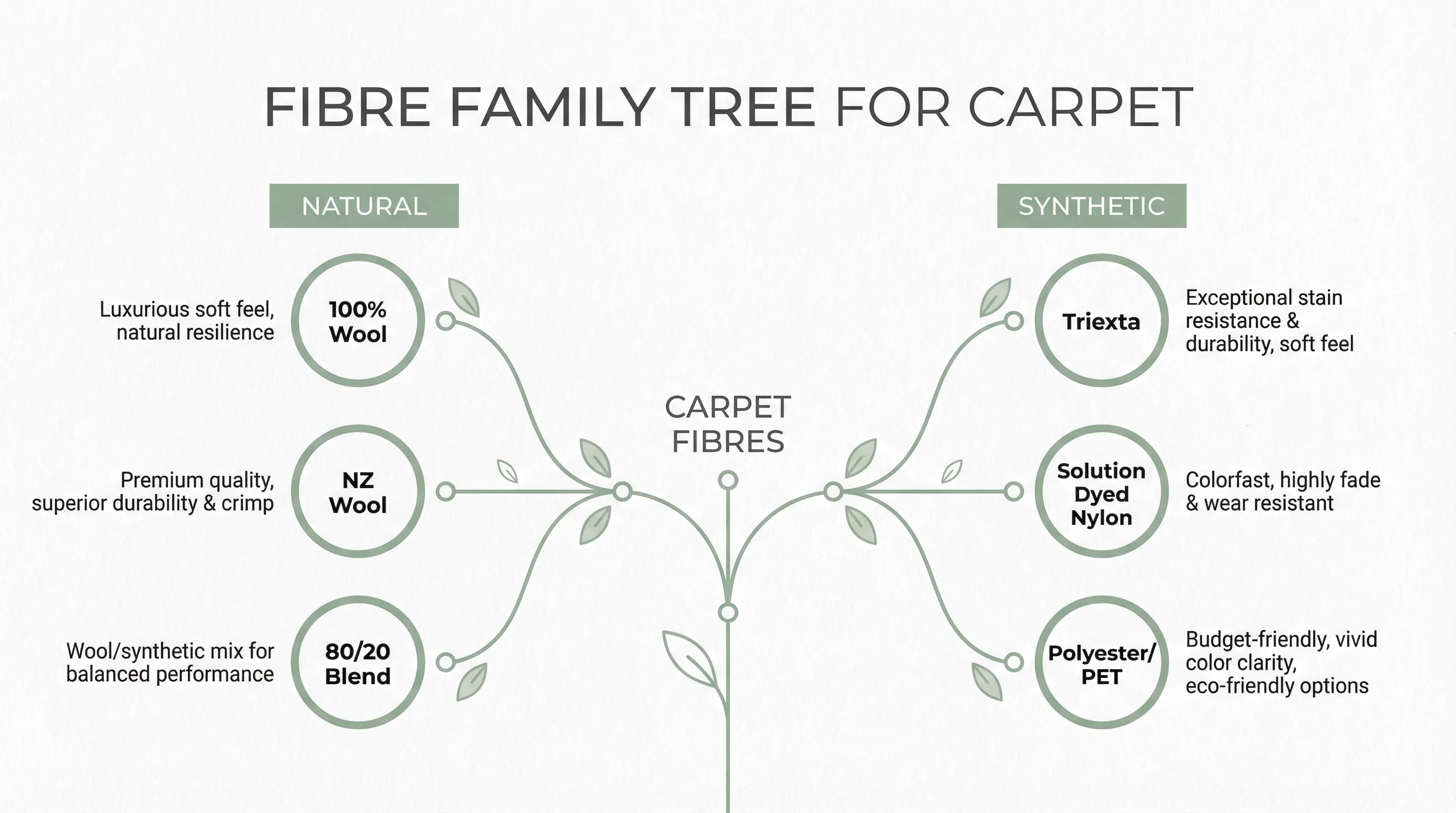
New Zealand Wool (NZ Wool) is the global benchmark for premium carpet wool, owing to New Zealand’s temperate climate, careful animal husbandry practices, and the specific characteristics of the NZ sheep breeds. NZ wool fibre is prized for its whiteness (which allows more accurate dyeing), its consistent staple length, and its superior resilience under compression.
80/20 Wool-Synthetic Blend: An 80% wool / 20% synthetic blend — the synthetic typically being nylon — is engineered to capture the best characteristics of both: wool’s natural handle, lustre, and environmental credentials, with nylon’s enhanced stain resistance and recovery from heavy pile compression.
Synthetic Fibres
Triexta (branded as Mohawk SmartStrand in the United States) is a bio-based synthetic polymer derived partially from corn glucose. Its defining characteristic is permanent built-in stain resistance — unlike traditional nylon, which relies on topical stain-resist treatments that degrade over time, Triexta’s stain resistance is inherent to the fibre’s molecular structure. It is regarded as the premium synthetic fibre by many experts.
Solution Dyed Nylon (SDN) is a popular synthetic specification and a dominant fibre in the Australian carpet market. Colour is added to the nylon polymer during the melt phase — before the fibre is extruded — meaning the colour is locked within the fibre’s core rather than on its surface. This makes SDN carpets exceptionally resistant to fading, bleaching, and colour loss.
Polyester / PET (Polyethylene Terephthalate) is frequently produced from recycled content — post-consumer PET bottles — and occupies the more accessible end of the synthetic market. Modern solution-dyed PET has improved significantly in performance and is now a credible option for lower-traffic applications.
Performance: The Metrics That Matter
1. Durability and Pile Retention
Wool: Wool fibre has a natural crimped structure — think of it as a three-dimensional spring — that enables the pile to recover from compression remarkably well. When a wool carpet is compressed by furniture or heavy foot traffic, the individual fibres can return to their original position, maintaining pile height and density over time. This recovery is one of the key determinants of long-term appearance retention.
However, wool is susceptible to abrasion wear in very high-traffic corridors and stairs, where the repeated surface friction of footfall gradually wears the scale tips of the fibre. In these locations, pile retention in a pure wool carpet will diminish faster than in a high-grade nylon product.
Nylon (SDN): Solution dyed nylon is widely regarded as one of the most durable carpet fibres in general use. Its tensile strength exceeds that of wool, its abrasion resistance is superior, and it recovers well from compression. For stairs, hallways, and family living rooms subject to intense daily traffic, SDN offers the high confidence in long-term pile retention. The ACCS (Australian Carpet Classification Scheme) — the industry’s objective rating system administered by the Carpet Institute of Australia — rates appearance retention on a 1 to 6 star scale, and the highest commercial ratings (5–6 star) are most commonly achieved by SDN products designed for heavy-duty applications.
Triexta: Performance comparable to nylon in most residential applications. Excellent resilience in cut pile formats; well-suited to living rooms and bedrooms.
Polyester/PET: Lower resilience than wool or nylon. The pile can “crush” more readily under sustained compression. Best reserved for lower-traffic applications — formal sitting rooms, guest bedrooms — where appearance retention is less demanding.
2. Stain Resistance
Wool: Wool fibre has a natural outer layer of waxy epicuticle that provides an inherent, moderate degree of water repellence. Liquid spills tend to bead on the surface briefly, giving the household occupant a short window for blotting before the liquid penetrates. However, wool is susceptible to protein-based stains (blood, milk, egg), some acid-based dyes (red wine, beetroot, some fruit juices), and to permanent staining from bleach or strong oxidising agents. Wool should not be treated with harsh chemical stain removers.
Triexta: The stand-out performer for stain resistance. Because the stain resistance is built into the fibre at the molecular level rather than applied as a surface treatment, it does not degrade with cleaning, vacuuming, or time. Families with children and pets frequently cite Triexta as the pragmatic choice for living areas and playrooms. Oil based spills are harder to address with Triexta though.
Solution Dyed Nylon: Strong stain resistance, thanks to topically applied fluorocarbons, enhanced by the fact that the fibre surface, already saturated with colour at the molecular level, then protected by the fluorocarbons, has fewer open dye sites available to absorb foreign colourants.
Polyester/PET: Naturally hydrophobic, meaning it resists water-based stains reasonably well. However, oily stains can be problematic, as the hydrophobic surface that repels water can attract and bond with oil-based soiling.
3. Fire Retardance
This is an area where wool holds a remarkable natural advantage. Wool fibre is inherently self-extinguishing — it does not readily ignite, does not drip molten flaming material when exposed to heat, and self-extinguishes when the ignition source is removed. This property arises from wool’s high nitrogen and sulphur content, which inhibits combustion at the fibre level.
Australian Standard AS/NZS 3837:1998 (Building materials — Methods of fire tests) is referenced in the specification of carpet for public and commercial environments, and wool carpets frequently exceed the required performance benchmarks without any additional flame-retardant treatment.
Synthetic fibres generally require chemical flame-retardant additives to achieve equivalent fire performance ratings. This is a relevant consideration for commercial specifications, schools, aged care facilities, and multi-residential projects where fire performance is a regulatory compliance matter.
4. Thermal Insulation
Wool performs exceptionally as a thermal insulator, contributing to the warmth of a bedroom or living area in a way that is immediately perceptible underfoot. The ACCS Environmental Certification Scheme acknowledges thermal insulation as a rated parameter — and wool consistently achieves high marks.
The practical benefit is reduced heating load in winter months. In Melbourne’s cool to cold winter climate — where floor-level draught and radiative heat loss are genuine daily concerns — a wool carpet over quality underlay contributes meaningfully to the thermal envelope of a room.
Synthetics also provide thermal insulation relative to hard floor surfaces, but the insulation value is generally lower than wool at equivalent pile weight, as the fibre’s cell structure is less complex.
5. Acoustic Performance
All carpet provides meaningful acoustic benefit relative to hard floor surfaces — a properly installed carpet with quality underlay can reduce impact noise transmission by 25–35dB and measurably reduce airborne sound reverberation in a room. This is one of the most undersold benefits of carpet specification, particularly relevant in apartments and multi-storey homes.
Within carpet types, the acoustic performance differences between wool and synthetic of equivalent pile weight and construction are relatively modest. The key variable is pile construction and density — a dense, heavy pile (whether wool or nylon) consistently outperforms a lighter, sparse pile. Fibre type is secondary to construction in this metric.
The ACCS Environmental Certification Scheme assigns acoustic performance ratings; products achieving the highest ratings are typically heavy, dense-pile constructions in either fibre type.
6. Feel Underfoot
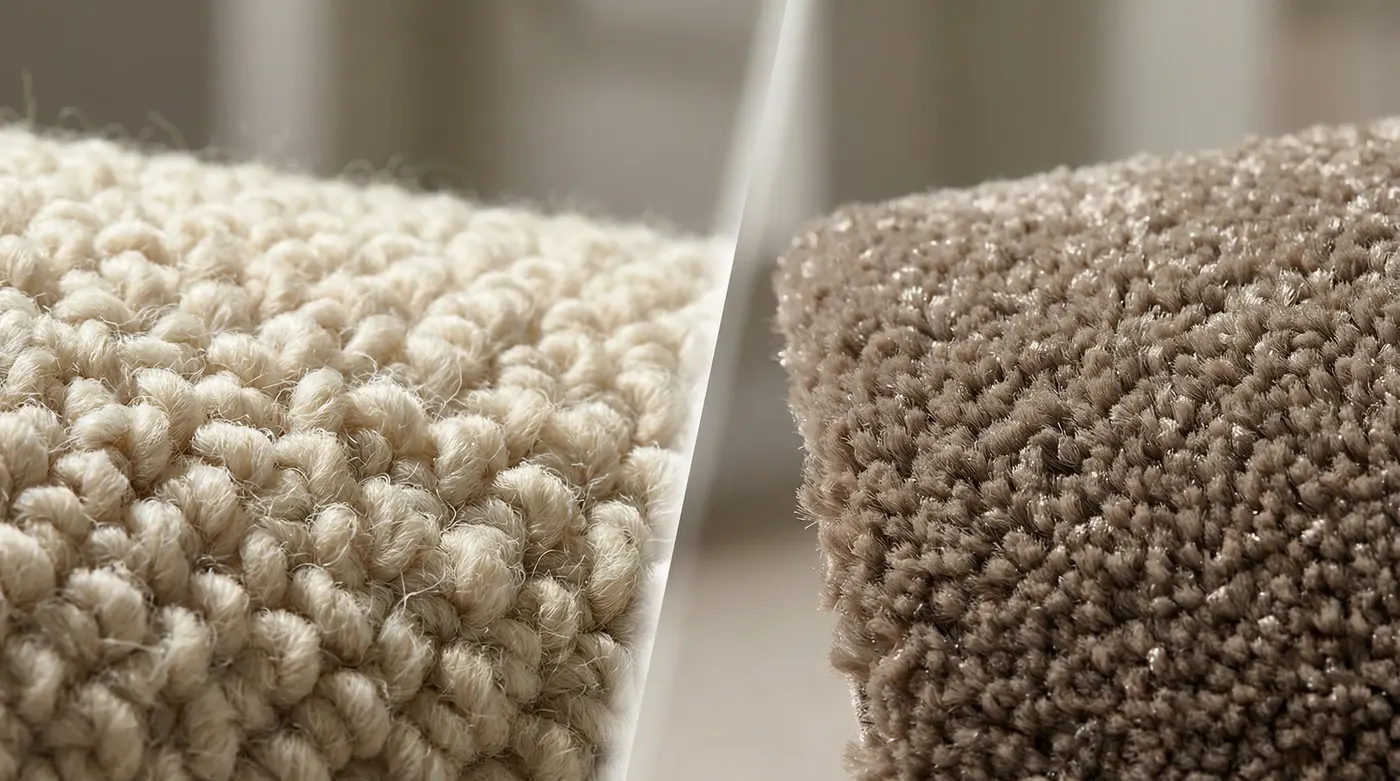
This is where wool’s advantage is most visceral and most difficult to quantify technically. The specific softness of high-grade NZ wool — derived from the microscopic scale structure and the natural elasticity of the fibre — is qualitatively different from the softness of the best synthetic fibres. Wool has a warmth and responsiveness that those who have walked barefoot on a quality wool carpet instinctively recognise and value.
That said, modern Triexta fibres have dramatically narrowed the gap. The fine-filament SDN constructions available at the premium end of the nylon market are genuinely soft and luxurious underfoot. For clients who have not historically experienced premium wool carpet, the perceived difference may be modest; for those who have, it is usually decisive.
Environmental Comparison
This dimension of the comparison has become increasingly important to Australian consumers, and the picture is more nuanced than either side of the debate often presents.
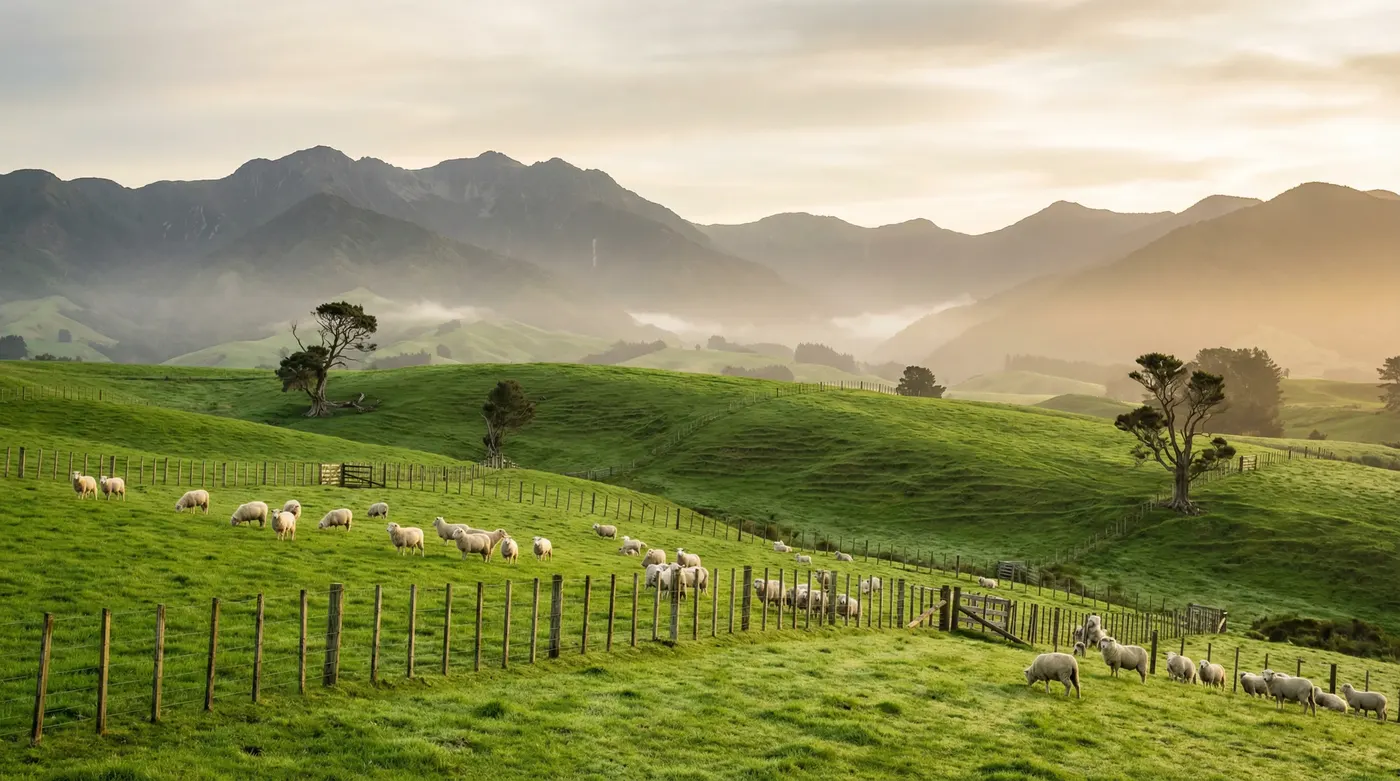
Wool is a renewable, biodegradable, natural fibre. A wool carpet at the end of its useful life will decompose in a landfill or composting environment, releasing nitrogen back into the soil. The fibre production involves no petrochemical feedstocks. However, sheep farming does generate methane, and the carbon footprint of wool production per kilogram of fibre is non-trivial, though offset by the carbon storage in wool’s protein matrix and the fibre’s long service life.
Synthetic fibres are predominantly petrochemical-derived — Nylon 6 and Nylon 6.6 are both synthesised from oil-derived precursors. The production energy intensity is high. However, solution-dyed processes use less water and fewer fixatives than piece-dyeing. Recycled-content PET (made from post-consumer plastic bottles) significantly reduces virgin material demand.
Triexta occupies an interesting position: partially bio-derived (37% renewable content from corn glucose as of current production processes), yet still petrochemical at a significant proportion. It is said to use around 12% less energy to produce than other synthetic carpet fibres.
The ACCS Environmental Certification Scheme evaluates carpet products across VOC emissions, noise reduction, and thermal insulation — providing a standardised framework for comparing environmental performance in use, though it does not currently address lifecycle or embodied carbon.
The most defensible environmental position for premium carpet specification: high-quality wool carpet at a high ACCS star rating, with its renewable fibre, long service life (15–20 years with correct maintenance), and full biodegradability at end of life. The environmental case for wool strengthens the higher the quality and the longer the installed service life.
ACCS Rating: How Fibre Choice Affects Your Star Rating Potential
The Australian Carpet Classification Scheme is the industry’s objective quality benchmark — a 1 to 6 star rating system administered by the Carpet Institute of Australia Limited (CIAL) based on objective appearance retention metrics (90/100 points) and subjective assessment (10/100 points).
Fibre choice directly influences what star rating a carpet can achieve:
For stairs, the ACCS specifies a minimum 3 star rating due to the concentrated wear pattern at the nose of each step. Solution Dyed Nylon and 80/20 wool blends are the standard specification for stair carpet in premium residential applications.
Cost Comparison: Initial vs Lifecycle
The initial cost comparison between wool and synthetic carpet is often cited as the decisive factor by consumers — and it is frequently used to justify a synthetic choice without reference to the lifetime cost picture.
Initial Cost (approximate residential mid-to-premium range):
- Budget polyester/PET: $25–$45 per square metre
- Solution Dyed Nylon (mid-premium): $45–$80 per square metre
- Triexta (mid-premium): $45–$100 per square metre
- 80/20 Wool/Nylon blend: $50–$100 per square metre
- 100% NZ Wool (premium): $70–$150+ per square metre
(Prices are indicative and exclude installation and underlay)
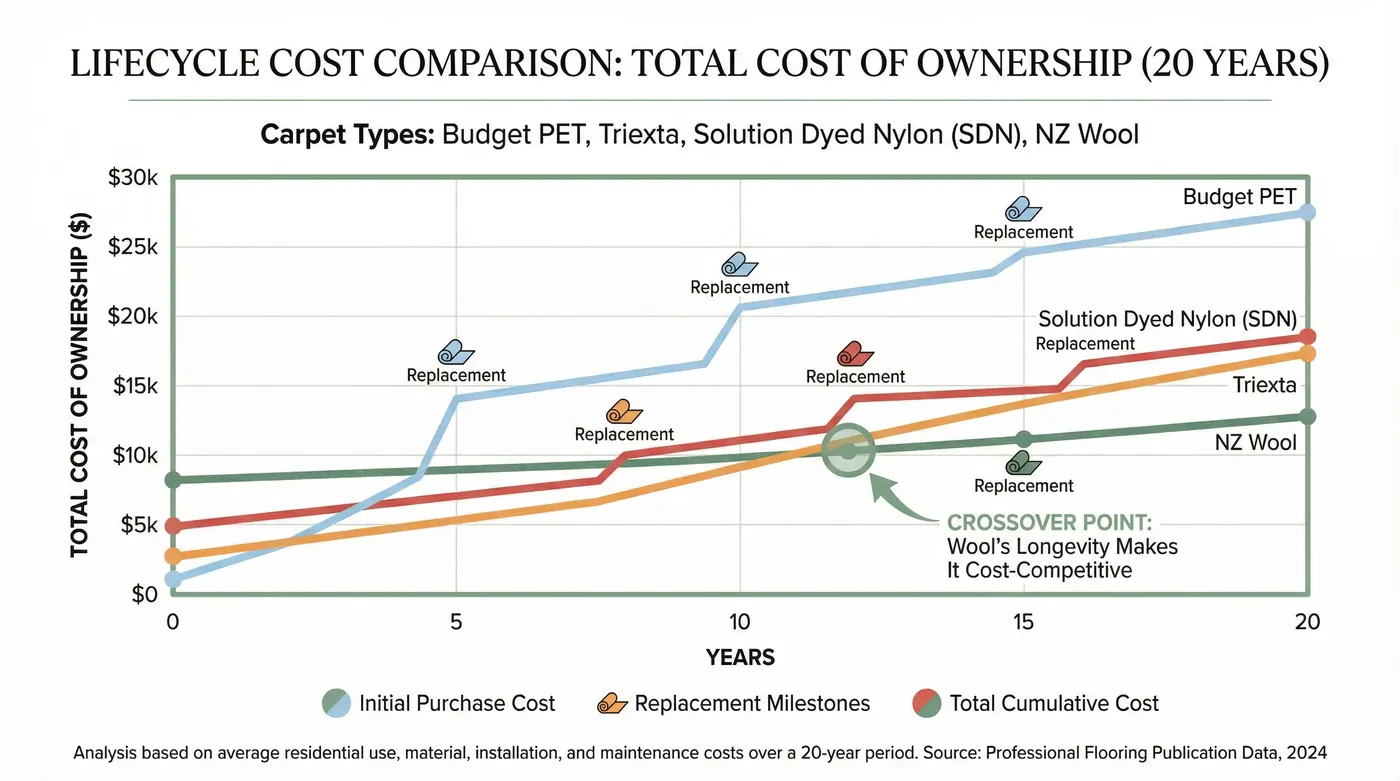
Lifecycle Cost: A high-quality wool carpet, properly maintained on quality underlay, has a realistic service life of 15–20 years. A budget polyester carpet may require replacement in 5–8 years. When the cost of replacement — including removal, disposal, product, and installation — is factored across a 20-year period, the lifecycle cost advantage shifts significantly toward the premium wool product.
The calculation changes in very high-traffic areas (heavy-use corridors, stairs), where SDN’s superior abrasion resistance typically delivers a better lifecycle cost outcome than wool.
Australian Climate Factors
The Australian climate introduces considerations that are less relevant in temperate European markets where much of the global carpet technical literature originates.
UV Exposure and Fading: Australian solar UV levels are among the highest in the world. For carpets in rooms with significant direct sunlight exposure — north-facing living rooms, sunrooms, areas adjacent to large western windows — UV-induced fading is a real and accelerating issue. Solution Dyed fibres (both nylon and polyester) are definitively superior in UV colour stability, as the colour locked within the fibre core cannot be broken down by surface UV exposure in the way that surface-dyed or piece-dyed fibres can. For sun-exposed rooms, SDN or solution-dyed PET is the technically correct specification. Triexta also performs well in harsh Australian conditions and carries a Limited 25 Year Warranty against premature fading.
Humidity Effects: In tropical and sub-tropical regions of Australia, elevated relative humidity can promote mould and mildew growth in carpet systems. In Melbourne’s temperate climate, this is primarily relevant in ground-floor slabs without adequate moisture barriers, or in poorly ventilated rooms. Wool, as a hygroscopic fibre that can absorb and release moisture without structural damage, is actually more tolerant of humidity fluctuation than many synthetics, which can harbour moisture between fibres in a way that promotes bacterial growth.
Dust Mite and Allergen Considerations: The common assumption that wool carpet exacerbates allergies is not well-supported by factual research. Dust mites — the primary allergen trigger in carpeted environments — require warm, humid conditions. Regular vacuuming with a HEPA-filter vacuum, combined with periodic professional cleaning, controls dust mite populations effectively in both wool and synthetic carpets. The Allergy & Asthma Foundation (A United States Study) has indicated that hard floors, by allowing dust and allergens to circulate freely rather than trapping them in the pile until vacuuming, are not necessarily preferable for allergy sufferers compared to regularly maintained carpet.
Maintenance: Keeping Either Fibre at Its Best
The differences in day-to-day maintenance requirements between wool and synthetic carpet are real but not dramatic.
Vacuuming: All fibre types require regular vacuuming — ideally twice weekly in high-traffic rooms. For wool carpet, avoid rotary beater-bar vacuums on fine-pile constructions, as aggressive agitation can fuzz the pile surface over time. Suction-only or gentle rotary heads are preferred.
Spill Management: Blot immediately — never rub. Cold water is appropriate for the majority of spills on either fibre type. For wool, avoid alkaline cleaners (bicarbonate, ammonia-based products); neutral pH cleaners are the correct choice. Synthetic fibres are generally more tolerant of a broader pH range, but always consult your specific care guides from your particular supplier.
Professional Cleaning: Hot water extraction (steam cleaning) every 12–18 months is the recommended professional maintenance protocol for residential carpet across both fibre types. For wool, ensure the technician uses wool-safe cleaning solutions — the protein fibre of wool can be damaged by harsh alkaline detergents.
Manufacturer Warranties: The terms of manufacturer warranties frequently reference specific maintenance protocols. Failure to follow them — particularly the use of non-approved cleaning products — can void warranty coverage. At The Flooring Centre, we provide all clients with a fibre-specific maintenance guide at the point of purchase.
Top Wool Carpet Brands in Australia
For homeowners shortlisting a wool or wool-blend carpet in Australia, a small handful of brands consistently set the standard for fibre quality, range depth, and dye accuracy. Below is a practical guide to the wool ranges we stock and recommend, and how they differ.
Hycraft (by Godfrey Hirst) — Hycraft is Godfrey Hirst's premium wool brand, drawing on Australia's largest residential carpet manufacturing operation. The Hycraft range is built almost exclusively around 100% pure New Zealand wool, with Australian-spun yarn and dye houses tuned for the appearance retention that wool buyers care most about. Cut pile, textured loop, and contemporary patterned constructions are all represented. For most premium-tier wool buyers in Melbourne, Hycraft is the default benchmark — and the range we hold in greatest depth at both the Nunawading and Hawthorn East showrooms.
Victoria Carpets — Victoria Carpets is a long-established Australian manufacturer with a particular strength in classical wool constructions: tightly twisted cut piles, traditional Wilton weaves, and heavier-weight wool loops. Victoria's wool range tends to suit clients drawn to a more classical or transitional interior style — homes where the carpet is expected to read as a long-life specification rather than a fashion piece. We carry the Victoria wool range in both showrooms.
Feltex — Feltex's strength is design-led wool. The brand's seasonal colour development tracks global interior trends and translates them into wool ranges that pair naturally with current paint, joinery, and furniture palettes. The Hammersmith range is Feltex's flagship pure-wool cut pile and is a regular specification for design-conscious clients. Feltex is held in showroom only — not on our website — because the colour development is best evaluated in stable showroom lighting.
Godfrey Hirst (mainline) — Beyond Hycraft, Godfrey Hirst's mainline range includes a number of accessible wool and wool-blend constructions. These tend to be the right choice for clients who want the wool experience at a more approachable price point, often in 80/20 wool-nylon blend form, with the same rigorous Australian manufacturing and dye standards as the premium tier.
A practical note: the wool brand decision is, in most cases, less important than the construction decision within a brand. A Hycraft 100% wool cut pile and a Victoria 80/20 wool blend will feel and wear quite differently — and that difference matters more than the badge on the back of the sample. We always recommend evaluating shortlisted ranges side by side in showroom, in stable lighting, before committing.
In Summary
There is no universally superior fibre. Wool remains the premium natural choice — irreplaceable for sensory quality, thermal performance, acoustic contribution, and environmental credentials. Triexta has earned its place as the pragmatic choice for families who require excellent stain resistance without sacrificing softness, and who are interested in the fact it has no additional chemical treatments on the surface. Solution Dyed Nylon remains a solid benchmark for performance and durability in demanding applications. And the 80/20 wool blend continues to be popular in some cut pile carpets.
Wool vs Synthetic Carpet: At a Glance
A side-by-side comparison of how wool, Triexta, Solution Dyed Nylon and polyester carpets perform on the metrics most Australian homes care about.
| Property | Wool | Triexta | Solution Dyed Nylon | Polyester |
|---|---|---|---|---|
| Stain resistance | Naturally good — wool's lanolin repels spills | Excellent — built into the fibre | Excellent — colour locked into the fibre | Good but reduces over time |
| Softness underfoot | Exceptional — the natural benchmark | Very soft — closest synthetic to wool | Firm and resilient | Very soft initially, packs down with use |
| Durability | 20+ years in residential use | 15–20 years with quality construction | 20+ years — the synthetic durability benchmark | 10–15 years before crushing |
| Fire behaviour | Self-extinguishing — wool resists flame | Will burn but does not melt the same way | Will burn and melt | Will burn and melt |
| UV / fade resistance | Good — natural fade resistance | Excellent | Excellent — the SDN benchmark | Excellent |
| Moisture & humidity | Naturally regulating — absorbs and releases | Hydrophobic — does not absorb water | Hydrophobic | Hydrophobic |
| Indoor air quality | Naturally non-allergenic, no off-gassing | Low VOC, no surface treatments | Low VOC | Low VOC |
| Sustainability | Renewable, biodegradable, low embodied carbon | Partly bio-based (corn glucose) | Recyclable but oil-derived | Often recycled-content polyester |
| Typical price tier | Premium ($$$$) | Mid to upper ($$$) | Mid ($$$) | Entry to mid ($$) |
Frequently Asked Questions
Is wool carpet really worth the extra cost?
For bedrooms and formal living areas where comfort and longevity matter, yes. Wool carpet typically lasts 20+ years, regulates indoor humidity, resists fading, and develops a depth of feel underfoot that synthetic fibres cannot replicate. The lifetime cost per year of use often comes in below mid-tier synthetic. For high-traffic family rooms with kids and pets, however, Triexta or Solution Dyed Nylon can be a more practical choice.
How do you clean wool versus synthetic carpet?
Wool: blot spills immediately with a clean cloth, never rub. Use cool water and a wool-safe cleaner — never alkaline or high-pH detergents which damage the fibre. Vacuum weekly. Professional steam clean every 18–24 months. Synthetic (Triexta, SDN, polyester): blot or rinse spills, vacuum twice weekly in high-traffic areas. Professional clean every 12–18 months. Triexta cleans with just cold water.
What are the best wool carpet brands in Australia?
The wool carpet market in Australia is mainly Hycraft, Feltex, Victoria Carpets and Bremworth. Hycraft by Godfrey Hirst is the most established premium wool brand. Feltex makes pure wool as well as blends. Victoria Carpets is a long-established Australian mill with a strong wool range. Bremworth (formerly Cavalier Bremworth) is a New Zealand wool specialist supplying into Australia. The Flooring Centre carries Hycraft and other Godfrey Hirst wool ranges, plus Victoria Carpets, in both showrooms.
Is wool carpet allergenic?
Wool is naturally non-allergenic. Its scaly fibre structure traps allergens like dust mites and pollen at the surface where they can be vacuumed away, rather than allowing them to circulate in the air. Wool also does not off-gas the way some treated synthetics can. People with wool allergies are typically reacting to lanolin in raw fleece — fully processed carpet wool has had the lanolin removed.
Does wool carpet shed?
Shedding is accelerated for the first six to twelve months — short loose fibres from manufacturing are vacuumed up. After that it calms down significantly, but it never fully stops. Synthetic carpets do not shed in the same way because their fibres are continuous filaments rather than spun from staple fibre.
Which carpet is best for stairs?
For stairs, durability and stain resistance matter most. Solution Dyed Nylon is often the practical winner — it handles heavy foot traffic, hides wear well, and cleans easily. Triexta is a strong second choice with similar durability and a softer feel. Wool also performs well on stairs and looks beautiful, but is more expensive per square metre. Avoid polyester on stairs — it will crush in high-traffic spots.
The right choice for your home is the one that aligns with how each room lives, what your household demands of it, and what you want to feel underfoot every morning. These are exactly the conversations our team is equipped to guide you through.
Published by The Flooring Centre — Melbourne's premium carpet and flooring superstores. Visit our Nunawading and Hawthorn showrooms.